Installation, Commissioning, and O&M

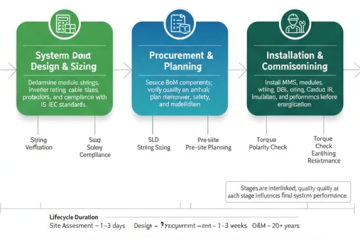
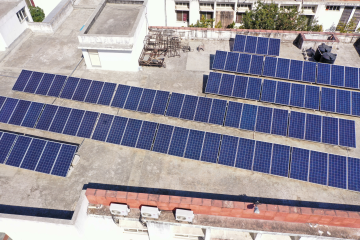
The final phases of the PV lifecycle turn a design on paper into a power-generating asset. Phase 4: Installation involves the physical assembly: mounting structures, fixing modules, and routing high-voltage DC cables. Before the switch is flipped, Commissioning Tests (IEC 62446) are mandatory. These include:• Polarity Checks: Ensuring positive connects to positive.• Insulation Resistance: Checking for cable cuts Read more

By Admin 1, ago

PV Project Lifecycle: Site Assessment & Feasibility

A solar project doesn’t start with installation; it starts with a clipboard and a compass. The Site Assessment phase is the foundation of the entire PV Project Lifecycle. Before a single module is ordered, technicians must evaluate the physical and electrical characteristics of the site. Key activities include:• Shadow Analysis: Measuring azimuth and tilt, Read more

By Admin 1, ago

Solar for Agriculture: Empowering the Farmer

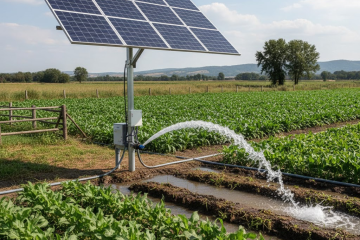
In rural areas where grid access is often unreliable, solar PV acts as a transformative technology for agriculture. It decouples farm productivity from the erratic availability of diesel or grid electricity. Solar Water Pumps are the most impactful application. Ranging from 1 to 10 kW, these systems use Variable Frequency Drives (VFD) Read more

By Admin 1, ago

Utility-Scale Solar: The Giants of the Grid

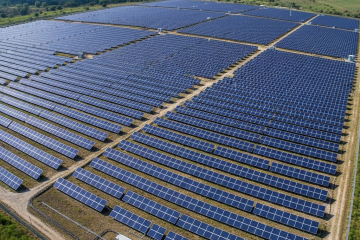
When we talk about gigawatts of green energy, we are talking about Utility-Scale PV Plants. These are massive installations ranging from 5 MW to over 500 MW that feed electricity directly into the high-voltage transmission grid. Unlike rooftop systems, these are vast infrastructure projects involving:• Extensive Land Prep: Grading hundreds of acres of land.• Central Inverters: Using Read more

By Admin 1, ago

Residential Solar: Powering the Modern Home

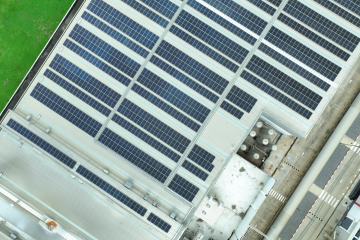
Solar isn’t just for massive power plants; it’s revolutionizing how we power our homes. Consumer-scale applications typically range from 1 to 10 kW and are designed for rooftops of individual houses or small shops. A typical residential setup might be a 3 kW system. This usually involves 6 to 8 high-efficiency modules. Under favorable conditions, Read more

By Admin 1, ago

Hybrid Solar: The Best of Both Worlds

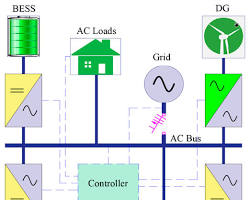
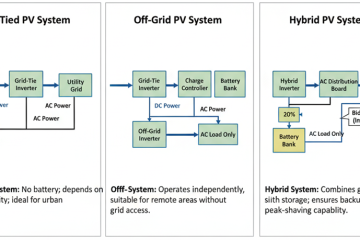
For many users, the choice between “saving money” (Grid-Tied) and “having backup” (Off-Grid) is difficult. Enter the Hybrid Solar System. A Hybrid system combines a PV array, a specialized hybrid inverter, a battery bank, and a grid connection. It offers the reliability of an off-grid system with the flexibility of a Read more

By Admin 1, ago

Balance of System (BOS): The Unsung Heroes

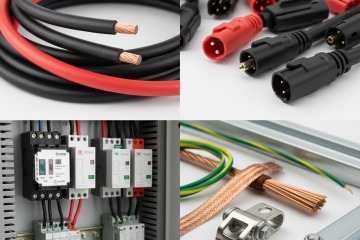
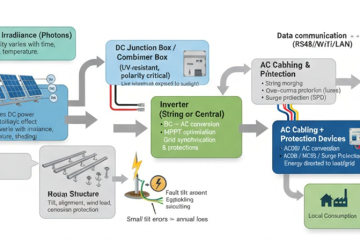
In the solar industry, modules and inverters get all the glory. But everything else—collectively known as the Balance of System (BOS)—is what makes the plant actually work safely and reliably. BOS components include:• Cabling: Specialized UV-protected DC cables to handle outdoor exposure, and AC cables for grid connection.• Protection Devices: DC and AC Surge Protection Read more

By Admin 1, ago