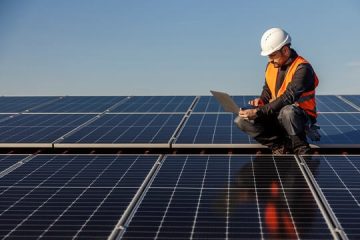
The Dharmanagar Solar Farm, comprising Phase I and Phase II with a combined capacity of 25 MW, represents a pivotal initiative to expand utility-scale renewable energy in Northeast India. To support this strategic regional development, the Tripura state utility engaged Firstgreen to provide comprehensive engineering and tendering services, ensuring the project’s successful planning and execution.
Firstgreen’s engagement focused on establishing a technically sound and scalable framework for large-scale solar deployment in the region. The team delivered end-to-end engineering support, beginning with conceptual and basic design to define the project’s technical foundation. This included developing detailed engineering drawings that addressed site conditions, technology specifications, grid integration requirements, and long-term operational considerations.
A critical component of the engagement involved preparing robust technical specifications for the Engineering, Procurement, and Construction (EPC) tender. Firstgreen designed a structured tendering framework tailored to the region’s climatic and operational challenges, ensuring that qualified EPC contractors could be evaluated effectively based on capability, compliance, and cost competitiveness. This structured approach provided the state utility with a transparent pathway to select partners capable of delivering high-quality infrastructure.
By integrating strong engineering principles with rigorous technical documentation, Firstgreen helped create a repeatable development model for future utility-scale solar initiatives in the Northeast. The Dharmanagar Solar Farm now stands as a regional benchmark, demonstrating how thoughtful technical planning and disciplined project development can accelerate renewable energy advancement in emerging geographies.
The project’s success underscores Tripura’s role as a renewable energy pioneer in the region and highlights the impact of coordinated engineering and tendering expertise. With the completion of both phases—10 MW and 15 MW—the utility has set a foundation for continued solar expansion, contributing to improved energy security, environmental benefits, and long-term regional sustainability.